
ACRYLIC

.jpg?sfvrsn=f9d3df4f_4)
.jpg?sfvrsn=e534c9c2_4)

PMMA
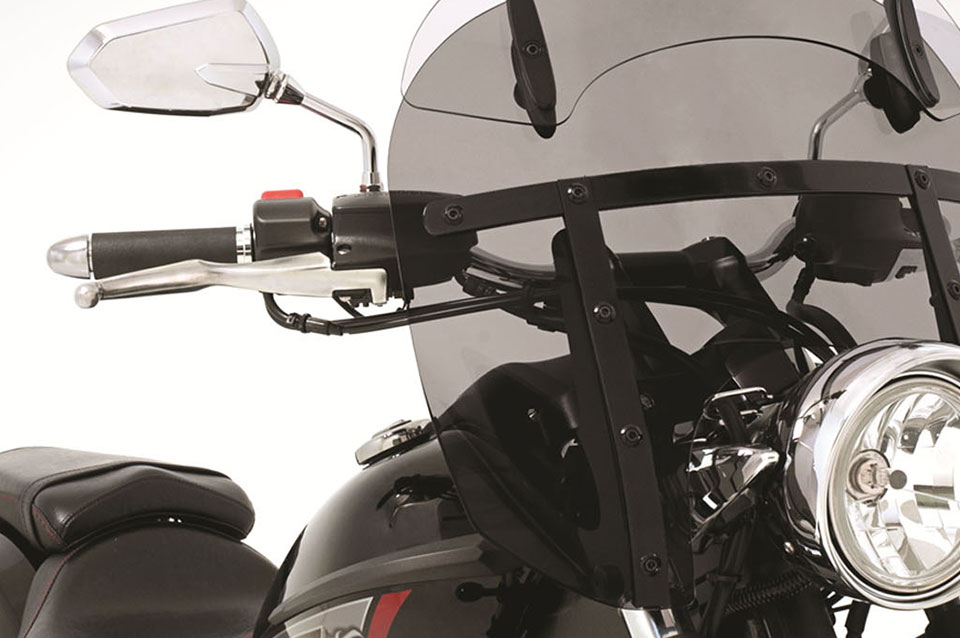
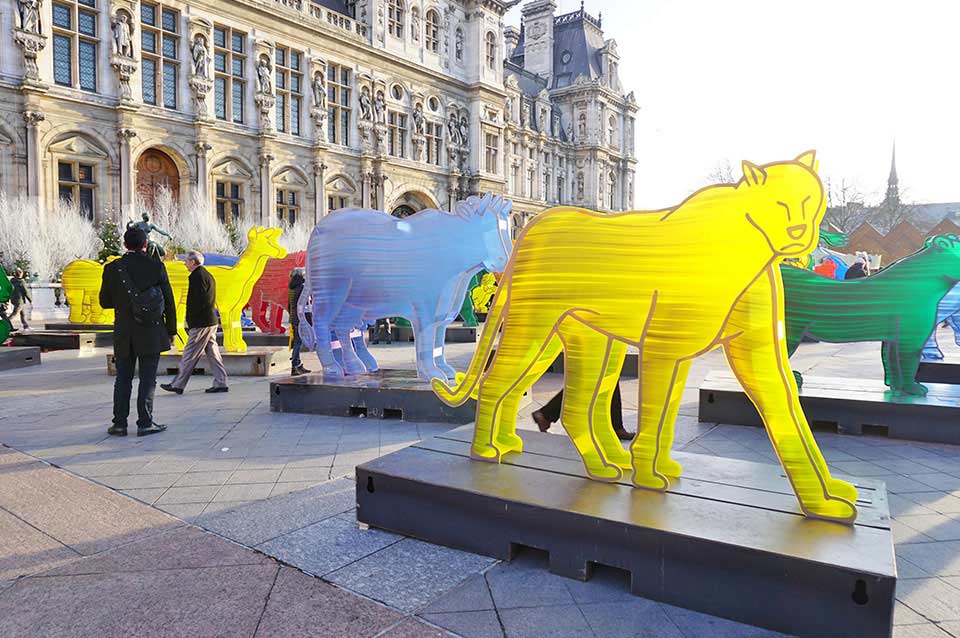
Impact and weather resistant, crystal clear or colored, Acrylic sheet, also called PMMA is a versatile, general-purpose thermoplastic sheet. Ideal for automotive and transportation and almost any application, acrylic sheet boasts a high molecular weight that enables superior fabrication and forming. It’s the industry choice for point-of-purchase displays, lighting and furniture.
Three times stronger than window glass
Ideal for almost any type of glazing or signage
UV stabilization protects the sheet from yellowing
Impact and weather resistant
Search Our Catalog
Popular Products
OPTIX Cast Polymethyl Methacrylate (PMMA) Solid Sheets, formerly branded Plazcast have bri...
Crystal clear, impact- and weather-resistant, OPTIX is a continuously processed, high qual...

OPTIX® LD light diffusing acrylic sheet provides superior diffusion properties that al...







- +8
Specifically designed to provide optimal adhesion of UV curing inks without adhesion promo...

With a variety of available color choices, OPTIX continuously processed, high quality acry...





- +6
Maximum protection — Filters out 98% of damaging UV light. Blocks out harmful light ...
OPTIX Black/White (BW) is continuous cast acrylic that appears black in daylight and white...
OPTIX-L continuous cast acrylic has superior clarity and provides designers and fabricator...
Create contemporary sign and graphic displays by lighting the edge of the acrylic instead ...

OPTIX Frost is the ideal choice for a continuously processed acrylic sheet that delivers a...
Extruded Polymethyl Methacrylate (PMMA) Solid Sheets, formerly branded Plazcryl have brigh...
OPTIX Cell Cast LED sheets feature high light transmission, uniform light diffusion and hi...
Flawless clarity — 100% guarantee of no black speck contamination. The first choice...
Contemporary colors and edges for modern designs. Add a stylish touch and make your design...
Bright and bold is its calling card. This cell cast acrylic is ideal for chunky, ultr...

OPTIX-L continuous cast acrylic has superior clarity and provides designers and fabricator...
The ultra-light matte finish of OPTIX 99 minimizes unwanted glare in a variety of lighting...
OPTIX 95 is a continuously processed acrylic sheet with a matte finish on one side that pr...
OPTIX LED PXT is the next generation of acrylic diffusers now with a matte textured surfac...
OPTIX E-DA combines the innovation of direct-to-print technology with anti-graffiti and ma...
OPTIX NB is a continuously-processed acrylic sheet designed to block traffic noise without...
OPTIX E is available with an abrasion- and chemical-resistant coating on one, or two sides...