English
SHOW HISTORY

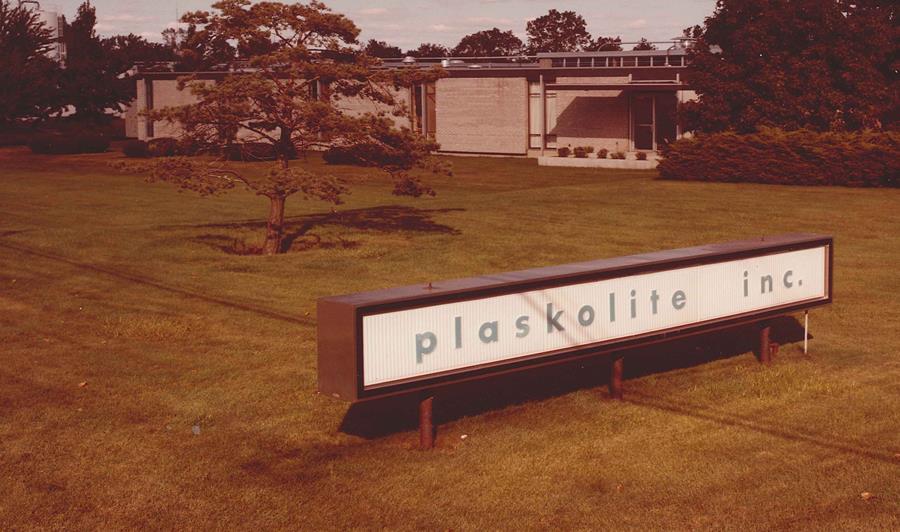
DOING IT RIGHT SINCE 1950

The Plaskolite success story spans six decades. See how it all began.

1951

Plastic drinking straws gave us our first taste of success.

1952

Plaskolite introduces the "lifetime fly swatter," the must-have accessory for every front porch.

1954

As fluorescent lighting fixtures become popular, Plaskolite begins extruding prismatic patterned lenses.

1960

Remember the hula hoop craze? Plaskolite manufactured hula hoops in the early sixties.

1970

Plaskolite begins producing smooth acrylic sheets for storm doors and windows; it's much safer than plate glass.

1974

Plaskolite builds its first polymer plant, enabling us to produce our own pellets for sheet production.

1994

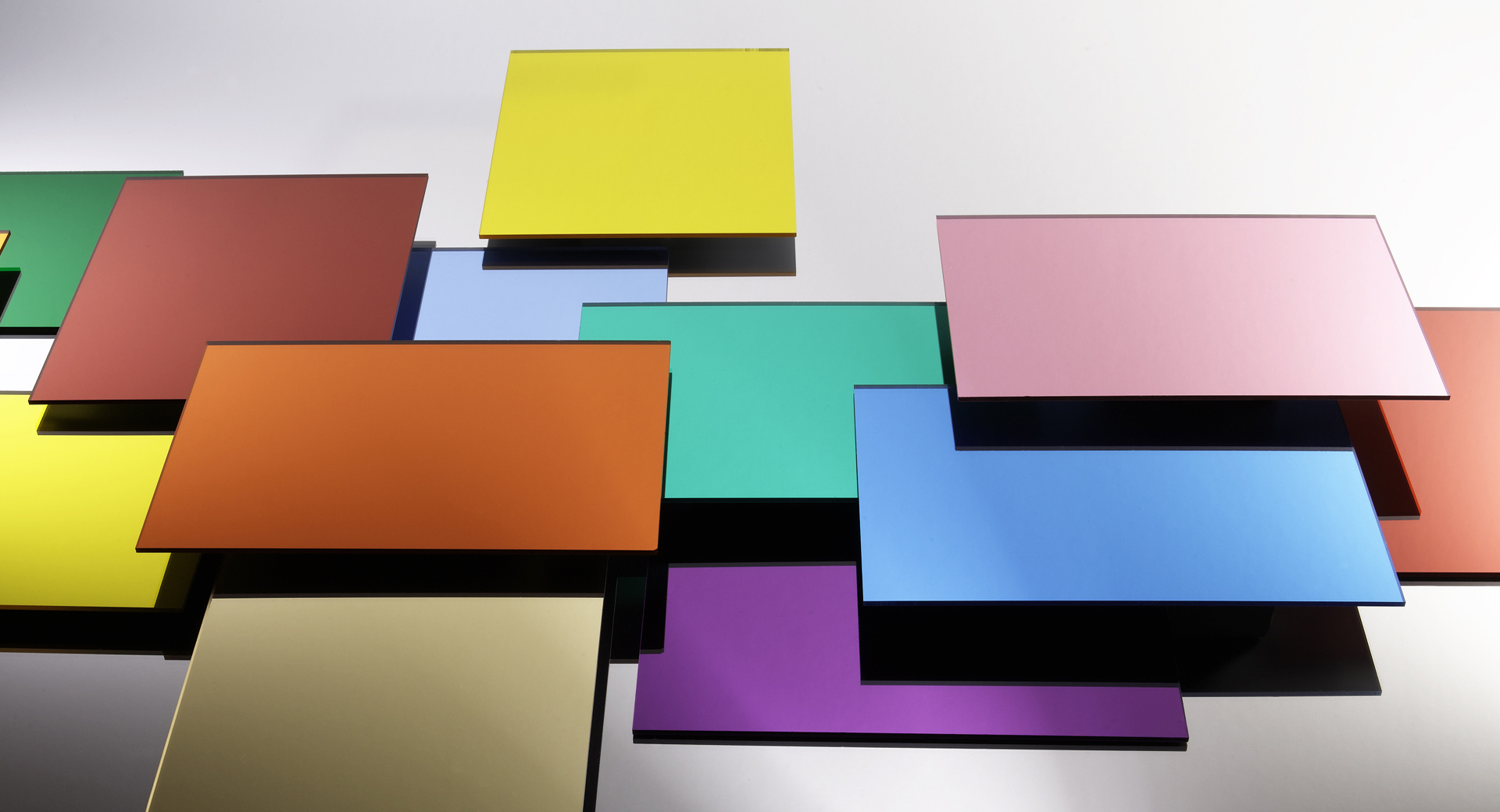
With the purchase of MIR-ACRYL, Plaskolite begins producing mirrored acrylic sheet; security mirrors; and hard-coated acrylic sheet products.

1996

Plaskolite acquires Continental Acrylics, a specialty polymers business.

1997

The acquisition of RAM PRODUCTS' flat sheet business enables Plaskolite to begin production of 19 acrylic mirror colors.

2000

In August, Plaskolite completes construction on a state-of-the-art 245,000 sq. ft. manufacturing facility in Zanesville, Ohio.

2006

Plaskolite acquired Bunker Plastics, a leading manufacturer of polycarbonate mirror; formed security and transportation mirror; and performance enhancement plastic coatings.

2007

Plaskolite acquires the continuously processed acrylic sheet division of Lucite International, including manufacturing plants in Olive Branch, Miss., and Monterrey, Mexico.

2012

Plaskolite acquires the North American VIVAK® line of PETG sheet from Bayer MaterialScience LLC.

Frequently Asked Questions

What's the difference between acrylic and Plexiglas®?
They are the same. Plexiglas is the brand name of the first marketed acrylic sheet product. Plaskolite's acrylic, trade named OPTIX has similar properties to Plexiglas.
What are the fire ratings for Plaskolite's acrylics?
Plaskolite's acrylics meet several fire ratings, including CC-2 per ASTM D-635 and UL-94 HB. In order to meet the International Building Code's "Interior Finishes" requirements (Chapter 8), specify Plaskolite's 0.118-inch acrylic sheet for Class C applications only.
How do I clean and maintain acrylic?
Please refer to Plaskolite's Acrylic Fabrication Guide.
What is the recycled content of acrylics?
There is no post-consumer recycled content in Plaskolite's acrylic products due to the optical quality needs of many of our sheet product applications. However, our acrylic sheets and their plastic protective masking films are recyclable* as post-consumer recyclable items. *Recycling programs for this product may not exist in your area.
Do Plaskolite's acrylic sheets meet the European Union's RoHS (Restriction of Hazardous Substances) standard?
Yes. Plaskolite's acrylic sheets are free from any of the substances regulated under the EU's RoHS standard. This information is based upon reviews of Plaskolite's raw materials and manufacturing processes, and/or external laboratory analysis.
Do Plaskolite's acrylic sheets meet FDA requirements?
Plaskolite offers specific FDA-compliant grades of acrylics. Please contact Customer Service for further information.
Does Plaskolite's acrylic contain plasticizers and Bisphenol-A?
No. Plaskolite's acrylic sheets are free of Bisphenol-A, as well as any plasticizers, such as DEHP, DBP, BBP, DINP, DIDP, DNOP and DnHP. This certification is based upon reviews of Plaskolite's raw materials and manufacturing processes, supplier certifications, and/or external laboratory analysis.
What is the UV and visible light transmittances of Plaskolite's acrylic?
Plaskolite's clear acrylic sheet has UV transmittance of 10-20% (in the 250-400 nm wavelength range), and visible light transmittance of 92%.
Should I be concerned about acrylic yellowing over the years?
All plastics, including acrylics, will weather over time, resulting in "yellowing" and increased brittleness. However, acrylics have superior weatherability over other plastics, such as polycarbonate, and it will yellow more slowly than many plastics. Plaskolite has a 10-year limited warranty for yellowing for its acrylic products. Please contact Customer Service for further information.

Request Quote

Request sample